How to Use Productivity Apps to Organize Your Routine
Schedules can feel scattered, but small tech tweaks shift the whole day. Peek into daily routines of efficient people and productivity apps for daily organization quietly shape many of their habits.
Between meetings, errands, and commitments, it’s easy to miss key details or tasks. Digital organization empowers you to regain clarity and move with intention through every stage of the day.
Let these expert-backed strategies and practical examples introduce new ways to make the most of productivity apps for daily organization. Here’s how to bring structure and ease into each routine.
Start Strong With Prioritized Digital Planning
Prioritizing tasks by urgency and importance right when your day starts sets a measurable tone. Productivity apps for daily organization can streamline that focus with clarity.
Instead of relying on memory, log priorities directly into an app. Within minutes, distractions dwindle and action becomes clearer. Try entering “Send client email by 10am” as your first task.
Block Your Day for Predictability and Peace
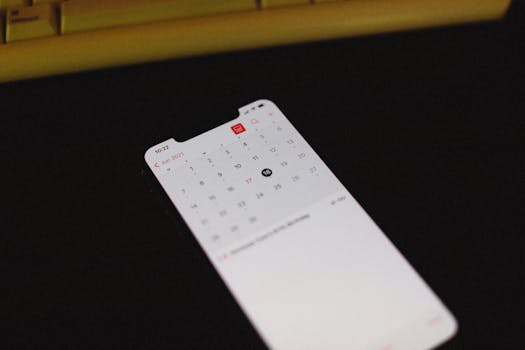
Tap the calendar view in your productivity app for daily organization. Schedule key meetings, personal time, and reminders as distinct, colored blocks.
When you see clear time slots for work, rest, and errands, you instinctively defend those spaces. This visibility prevents double-booking and reduces stress from last-minute changes.
Compare your digital plan with a paper list to notice what’s more reliable. The app minimizes gaps and resets your expectations each morning.
Batch Similar Tasks in Your Task Manager
Group related errands under the same category: “Groceries, pharmacy, mailbox.” Productivity apps for daily organization make it easy to batch entries under shared tags or lists.
This method ensures you complete all errands in one trip—less wasted time, more mental space for larger goals. Next time you write out tasks, batch three together before moving on.
By the end of the day, the sense of completion is higher. You move efficiently, not reactively.
| Productivity App | Best Used For | Key Feature | Try This Next |
|---|---|---|---|
| Todoist | Task Management | Tag and Priority Levels | Add a label for recurring tasks, e.g., “@morning” |
| Trello | Project Tracking | Kanban Boards | Set up lists for short, mid, and long-term goals |
| Google Calendar | Time Blocking | Color-coded Events | Block lunch and breaks with distinct colors |
| Notion | All-in-One Workspace | Templates | Start with a daily dashboard template and adjust sections |
| Microsoft To Do | Daily Checklists | My Day View | Sync lists from phone and desktop each morning |
Create Rhythms With Automated Reminders and Routines
Automated reminders in productivity apps for daily organization anchor habits. They prompt action at the exact time and free your mind for complex decisions.
Setting consistent reminders for daily and weekly rituals keeps progress on track. For example, set a Monday 8am reminder for “Review all project deadlines” to always know what’s urgent.
Pair Reminders With Morning and Evening Reviews
Morning reviews prompt you to scan upcoming obligations—reduce surprises before they happen. Evening reviews allow reflection and adjustment before sleep, which aids restful routines.
Use apps that auto-prompt check-ins at your chosen hours. This regularity reinforces a sense of accomplishment and helps you see patterns to improve future planning.
- Schedule recurring reminders: Create a five-minute plan for daily check-ins. Add concrete prompts like “Prepare lunch bag” or “Sync tomorrow’s calendar.” Action gets easier when it’s clearly stated and visible.
- Pair reminders with connected apps: Link your note-taking app and calendar. When a calendar event starts, open its note page. This strengthens project context and reduces toggling.
- Create habit streaks for motivation: Log exercise, reading, or water intake. Seeing progress visually every day increases the urge to continue, making healthy routines automatic.
- Set reminders for review periods: Automate Sunday evening or Friday lunchtime reviews. Reserve dedicated slots to recap the week and prepare for streamlined starts.
- Group small reminders together: Use batch notifications for tiny habits. For example, set three reminders within 30 minutes: “Sort emails, update to-do, fill water bottle.” Keeping actions closely linked strengthens habit chains.
Connected reminders reduce ambiguity and inspire reliability in daily patterns. Adjust timings as life changes and see what cadence supports your energy best.
Plan for Downtime and Reflection
Allocate breaks with clear labels, such as “15 min phone-off recharge.” Use productivity apps for daily organization to block tech-free periods after lunch and before bed.
Record review notes directly after a task. Apps that timestamp completion help you notice when to adjust or celebrate progress. Look back each Friday to scan for success moments.
- Add downtime blocks weekly: Schedule personal refresh times, like “Read, no screens, 8-9pm Wednesday.” Seeing these in your calendar signals their importance and helps guard them.
- Pair reflection with checklist completion: After finishing a main task, spend two minutes writing what went well. This reinforces your system and makes improvements concrete.
- Let your app surface patterns: Review weekly stats, like tasks completed on time. Notice trends and adjust priorities accordingly. Action: Check analytics every Saturday morning.
- Automate celebratory notifications: When a recurring streak is hit, set the app to display a custom message—like “Awesome job maintaining your progress this month!”
- Revisit and update your workflow monthly: Assess which reminders to keep, adjust, or drop. Declutter old tasks so your system remains fresh and motivational.
Reflection and relaxation are essentials, not bonuses. Build these into routines using productivity apps for daily organization and improve resilience and enjoyment day to day.
Reduce Distraction With Focused Workspaces and Clear Boundaries
Designate clear digital zones for deep work. Productivity apps for daily organization let you filter notifications, activate do-not-disturb, and block unnecessary app launches during key hours.
Create visible cues with task and meeting blocks. Silence outside interruptions by scheduling “focus” or “creative sprint” slots. The clarity helps transition into productive flow quickly.
Segment Notifications by Task Type
Mute group chats and non-urgent updates when engaging in focused tasks. Only urgent calendar alerts break through, ensuring nothing critical is missed.
Example: Before a brainstorming session, activate a pre-set app focus mode—color shifts and gentle sound cues signal your brain it’s time for creative output. Return to regular mode at the session’s end.
This segregation builds a boundary between work and noise. Unnecessary pings and badges no longer steal attention from your priorities.
Alternate High- and Low-Energy Tasks for Better Endurance
Alternate between intense creative sessions, like “Write presentation slides,” and low-energy tasks, such as “Archive files.” Color code these in your productivity app for daily organization.
This pattern mirrors interval training. It sustains energy, making big tasks less overwhelming and smaller ones purposeful. Try pairing three deep efforts with three quick wins each morning.
Your sense of progress rises, and you end the day with more momentum and less fatigue.
Track Progress With Real-Time Feedback and Daily Logs
Instant progress feedback sharpens motivation and clarity. Productivity apps for daily organization show real-time updates as you finish tasks, complete calendar events, and reach milestones.
Enable dashboard widgets or daily achievement summaries. Visual checkmarks or progress bars give a measurable sense of accomplishment—like a digital high-five with every step done.
Use Visual Analytics and Graphs to Drive Improvement
Tap into built-in analytics channels showing time spent, completion rates, or habit streaks. Weekly or monthly dashboards point out which patterns bring gains or signal burnout risks.
Adapt your approach with data: Increase planning time if late tasks cluster, or drop activities that don’t align with your highest goals. Apps with exportable reports make comparison easy.
Revisit your progress logs every weekend. Mark two things you accomplished and one thing to improve, using data to make the next week smoother and more intentional.
Celebrate Milestones and Build Momentum
Set small, achievable targets (like “3 emails answered before lunch” or “Finish reading report by 3pm”). Add recurring check-ins to highlight wins as soon as they happen.
Create a pattern: After celebrating a micro-milestone, take a mini-break. Say to yourself, “I checked off three urgent calls—now, five deep breaths.” The reward solidifies the habit chain.
Monthly reviews reinforce long-term consistency. Share your dashboard summary in your favorite productivity apps for daily organization to inspire peers and maintain personal accountability.
Adapt Your System to Life’s Changing Demands
Dynamic schedules mean productivity apps for daily organization should flex, not frustrate. Review your setup weekly for new challenges and emerging priorities.
Example: If logistics for your child’s school shift each season, create a reusable checklist. Adjust recurring events for exams, holidays, and new activities without re-entering every detail.
Create Templates for Repeatable Routines
Use built-in templates in your app for common projects like “Weekly household chores” or “End-of-month reports.” This streamlines resets after each cycle without start-from-scratch stress.
Templates store time-saving steps: “Monday laundry, Wednesday bills, Friday donation drop-off.” Each action gets a realistic completion date and removes decision fatigue.
Review these setups monthly—retiring tasks you’ve mastered and adjusting deadlines by season instead of starting all over.
Sync Multiple Devices and Collaborators
Cloud-based productivity apps for daily organization sync instantly across devices, ideal for hands-free updates. Add grocery items from your phone, then check the list at the store via your watch.
Share lists, events, or files with family and teammates. When someone checks off a joint task (“buy cake for party”), everyone sees the new status immediately.
Schedule weekly check-ins with collaborators to review shared boards and adjust timelines. This keeps all stakeholders on track without lengthy meetings or email chains.
Choose Your Ideal App System for Real-World Results
Picking a platform that matches your habits multiplies results. Each productivity app for daily organization offers unique features—some prefer robust automation, others value simplicity or broad integrations.
Test your preferred workflow: List everything needed for a project like “Plan birthday dinner.” Track which steps flow and which stall. Adjust app settings for smoother entries next time.
Trial Multiple Apps for Two Weeks
Install two productivity apps for daily organization in parallel, such as a lightweight checklist and an all-in-one planner. Observe which interface feels natural during busy days.
Notice friction points like missed reminders or cluttered menus. After two weeks, keep the system that required fewer corrections and produced more completed tasks.
This iterative approach respects real habits, not just ideal intentions, and prevents tool fatigue over time.
Build a Combo Suite for Full Coverage
Mix the strengths of different platforms. For instance, pair a project board for complex planning with a voice-activated daily checklist for simple to-dos.
Sync calendars and notes through linked integrations. Your morning routine might start with audio reminders and move to a drag-and-drop editor for mapping the day visually.
Continue refining until switching between systems feels smooth, not distracting. Make changes monthly—or as your responsibilities change.
Keep Momentum With Review, Reflection, and Refresh Cycles
Steady routines outlast hype. Using productivity apps for daily organization backed by review cycles keeps you improving without stalling or burning out.
Weekly, recap what worked and why. Shift tasks left unfinished to the next cycle with revised timeframes. This builds self-trust and a proactive—not reactive—mindset for future challenges.
Consistency isn’t automation alone. Use insights from task data and daily energy highs or lows to fine-tune your routine. With each review, routines become more supporting and less draining.