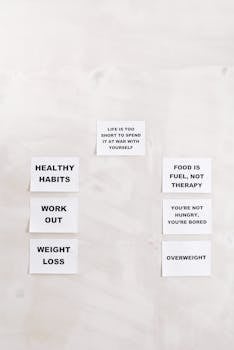
Most people want more consistency in their lives, yet change rarely happens overnight. Exploring how people build daily habits that stick can reveal the real way progress happens bit by bit.
Steady behaviors lay the groundwork for meaningful change. Whether aiming for a healthier lifestyle or better work routines, small steps practiced daily can add up to lifelong shifts worth keeping.
Give yourself permission to experiment here. This article walks through ways you can build daily habits that stick, using plans anyone can try, adapt, and genuinely keep long term.
Defining a Clear Habit Cue and Building Consistency from Day One
The fastest way to build daily habits that stick is to anchor them to obvious cues—simple signals that make routines automatic, not accidental.
New routines last much longer when paired with familiar triggers. Imagine always filling your water glass right after brushing your teeth as a reliable pattern to follow every morning.
Choosing the Right Signal to Anchor Your Habit
A good cue stands out in your schedule. It might be hearing your morning alarm, or closing your laptop at work. These are reliable anchors for new habits.
Body language can reinforce these cues. For example, setting your sneakers by the door reminds you to walk at lunch—your eyes catch the signal, and your body follows.
Select one daily anchor and commit to pairing it with just one new tiny habit. This lets your brain naturally connect the cue and behavior.
Committing to a Small, Repeatable Routine Daily
Instead of dramatic changes, start tiny. A “micro-habit” might look like writing one line in your journal as soon as you put your coffee mug down.
It helps to speak it aloud: “Each morning after I put my mug down, I’ll jot one sentence in my notebook.” Simple scripts make routines deliberate, not accidental.
Consistency is far easier when you repeat the same routine at the same trigger point, day after day, using phrases and steps that won’t overwhelm you.
| Habit Cue | Sample Action | Difficulty | Next Step |
|---|---|---|---|
| After waking up | Drink a glass of water | Easy | Add breathing exercise |
| After lunch | Walk for 5 minutes | Easy | Increase to 10 minutes |
| After work | Write 1 gratitude note | Moderate | Expand to two notes |
| Before bed | Read two pages | Easy | Add reflection sentence |
| Closing laptop | Plan 1 task for tomorrow | Easy | Expand to 3 tasks |
Shaping Habits Through Immediate Feedback and Reinforcement Strategies
Immediate feedback is critical for helping you build daily habits that stick. When behavior feels good now, your brain wants to repeat it tomorrow.
Pairing actions with pleasant signals, like a smile or a quick note of progress, reinforces the habit so it’s worth showing up for daily.
Using Natural Rewards to Strengthen Daily Routines
Praise yourself right after you complete the habit. A small “Nice job!” can spark dopamine, making it easier to repeat the action next time you hit your cue.
Your environment can offer natural feedback, too. For instance, putting a tick mark on your calendar creates a visual sense of progress every time you finish your routine.
This gives your brain a reason to crave the tiny win. Over time, the satisfaction of seeing growth makes it easier to continue without thinking twice.
- Write a checkmark on a paper calendar after every habit. Seeing the chain grow day by day creates momentum and a sense of progress; you’ll want to keep the streak going.
- Tell a supportive friend after you succeed. Hearing their encouragement makes you proud and gives your brain positive reinforcement to keep up the routine.
- Pair your habit with something you enjoy. For example, listen to a favorite song when tidying up. The pleasant association increases enjoyment and makes the action more automatic.
- Reflect on how you feel after finishing. Noting even a tiny shift in mood or energy teaches your mind the value of repeating the action again.
- Reward yourself with a healthy treat, like making a cup of tea after a walk. This small self-care gesture connects your habit to comfort and warmth.
Layering pleasant cues onto your routine provides a double win—a healthy behavior plus instant feedback, which cements your progress over time.
Tracking and Adjusting Habit Cues for Faster Progress
Use a notebook to track what cues trigger success or cause distractions. Noticing patterns helps you tweak routines for better reliability.
If you realize your evening habit regularly fails, try swapping its cue to a more predictable time, like the moment you hang up your keys after arriving home.
- Modify the cue if you skip your habit for two days in a row. Consistent timing is key, so adjust environmental triggers until the behavior feels predictable and natural each day.
- Keep reminders visible: Place post-its or objects in high-traffic areas to reinforce your cues. Physical prompts keep new habits top of mind instead of buried in a to-do list.
- Ask yourself, “What interrupted my routine?” Jot down answers. This reflection shows which distractions or feelings derail you most and lets you build strategies to protect your time.
- Experiment with time of day: Some people perform better in the morning, others after work. Real results come from finding your habit’s most reliable window; adjust until it feels easy.
- Celebrate improvements, not perfection. Every successful repetition, even after a missed day, builds the reliability muscle much more than a guilt trip ever could. Progress fuels future action.
Regularly review your habit process to sharpen focus, build resilience, and make forward steps on building daily habits that stick for the long term.
Designing Your Environment to Make Good Habits Effortless
A well-chosen environment makes it much easier to build daily habits that stick. Every physical cue can either support or sabotage your desired routine.
Thoughtful placement of objects and reducing friction turns positive choices into the automatic option, not something you need extra willpower to remember.
Eliminating Barriers in Everyday Spaces
Reduce any obstacle between you and your new habit. If you want to run in the morning, put shoes and clothes by the bed ready to grab in seconds.
Arrange your kitchen for healthy eating—place fruit on the counter, not cookies. The more visible and accessible, the more likely you’ll choose well.
Use containers or bags for specific items (journals, snacks, gym gear) and put them where your habit will happen, so you never have to hunt for essentials.
Building Visual Reminders for Habit Reliability
Stick bright notes where you’ll see them first. A yellow post-it saying “Stretch!” on the TV remote cues healthier choices when you settle in to watch shows.
Set phone alarms labeled with your intended action. Vibration or sound at the same time each day nudges your attention to the right spot in your routine.
Try a habit tracker app or old-fashioned checklist. Recording progress keeps daily habits that stick vivid in your awareness and satisfying to complete.
Personalizing Habits for Maximum Resilience During Bumps
Personalized routines allow you to build daily habits that stick through setbacks and changing schedules. If a process fits your lifestyle, it survives the ups and downs of real life.
Adjust frequency, location, or timing as needed—flexibility lets you troubleshoot and rebound quickly, no matter what unexpected curveballs appear.
Tweaking Routines to Match Daily Realities
If energy dips, swap intense runs for calm stretching on tough days. Matching your habit’s difficulty to your real capacity prevents giving up when motivation lags.
Break long processes into smaller, manageable pieces. Folding one shirt is easier than finishing an entire laundry pile—yet momentum still builds from the tiny action.
Prepare “if-then” scripts for challenging moments, like “If work runs late, I’ll meditate for five minutes before bed instead of skipping altogether.”
Pacing Habits to Prevent Burnout or Backsliding
Steady rhythms are better than bursts. Aim for habit success five days weekly if seven feels unsustainable—showing up most days still cements the new routine.
Track your energy patterns over a week. If you notice afternoon fatigue, shift important habits to mornings, when willpower and attention are sharper.
Accept progress in seasons. During busy periods, temporary downshifts in intensity are normal. Promise to restart full intensity after holidays or work deadlines pass.
Celebrating Micro-Wins and Building Confidence as You Go
Small victories matter most when trying to build daily habits that stick. Every completed routine is evidence you can keep making good choices in the future.
Confidence builds through action, not theory. Each micro-win strengthens your belief that you’ll follow through, even when challenges arise or motivation dwindles.
Recognizing and Documenting Tiny Progress Markers
Capture each success in a dedicated notebook. Jotting “Did yoga at 8am!” creates an ongoing record of effort—a private highlight reel that boosts your spirits and accountability.
Post a photo or share a note with a group chat. Public acknowledgment, however small, multiplies pride and gives your brain new reasons to chase the routine tomorrow.
Reward yourself gently: pause to savor a deep breath, a funny meme, or a short walk afterward. Treat small actions seriously—over time, these micro-practices feel both joyful and natural.
Building Resilience by Framing Setbacks Productively
Mistakes are stepping stones, not deal-breakers. When a routine slips, say aloud: “I missed it. I can restart tomorrow.” This breaks the shame cycle and gets you back on track.
Highlight what did work: Perhaps you remembered your cue, but the time was off. Notice small wins to reframe lapses as learning, not failure.
Replace all-or-nothing talk with progress phrases. Instead of “I failed,” use “I learned what slows me down—next time I’ll move my reminder to my backpack.”
Expanding Your Habits and Keeping Motivation Fresh
Growth happens by evolving your habits once they feel steady. If you can build daily habits that stick, adding variety and complexity keeps routines interesting and motivation high.
Plan seasonal upgrades—expand a five-minute routine to ten, or introduce new steps when old ones feel automatic and easy to complete without thought.
Layering New Actions onto Existing Routines
Stack a new action after your solid base. For example, once you’re reliably walking after lunch, add a two-minute gratitude reflection as soon as you finish your stroll.
Use if-then planning: “If I make my bed, then I’ll drink water.” Chain habits together to create a simple but effective domino effect.
Visualize your completed habit chain at day’s end. Picture each step, reinforce the pattern, then rest easy knowing you’re putting progress on autopilot every single day.
Using Social Support and Accountability to Lock Habits in Place
Tell one other person your plan. Even a brief “Hey, I meditated after work again” locks your new routine into your identity and brings encouragement from someone you trust.
Check-in with a peer weekly on progress. Sharing wins and misses in a low-pressure chat creates gentle motivation to keep trying, even when your own drive dips.
Invite friends or family to participate in one rule together, like “Everyone writes one gratitude before dinner.” Social bonds amplify fun and strengthen the intent to keep showing up daily.
Bringing It All Together: Momentum, Learning, and Lifelong Habits
When you build daily habits that stick, you set a powerful cycle in motion. Each element—clear cues, feedback, thoughtful design, and celebration—brings your goals closer.
Long-term change relies on making routines personal, adaptable, and rewarding. Regular wins, not just willpower, keep motivation alive as life’s circumstances shift over time.
Treat each day as a new experiment. By stacking, tweaking, and reinforcing what works, you create momentum that carries you forward, turning fleeting intentions into behaviors you truly own for years ahead.