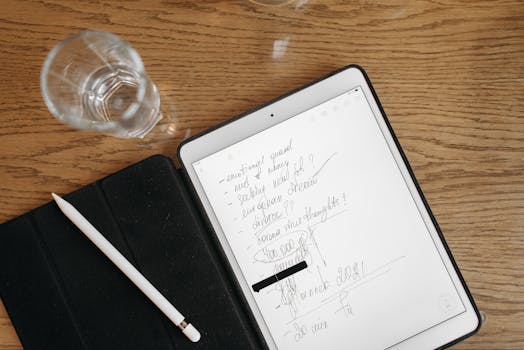
Sometimes it’s tricky to keep ideas and lists sorted in your daily routine. Using the best note taking apps organization can help you easily capture, sort, and retrieve information fast.
Choosing the right note-taking tool impacts not just your workflow but also your peace of mind. Many find their productivity rises when digital notes finally click with their habits and needs.
If you’re curious about using technology for tidier thoughts and projects, keep reading. We’ll walk through practical app comparisons so you can start seeing results soon.
Organize Your Thoughts Visually With Structured Notes
The best note taking apps organization offer visual templates—think notebooks, boards, or cards. This structure lets you quickly see what needs attention and what’s waiting.
You can create categories by project names or deadlines, and even color-code or tag notes for extra clarity as you scan your digital workspace.
Scenario: Organizing by Project Name
Suppose you lead a busy work project. Open a note-taking app and add separate notebooks for “Client Research,” “Meeting Notes,” and “Next Steps” for visibility.
This method means every piece of info lands in its right place. When teammates ask, “Where’s our timeline?” you can respond instantly by pulling up the relevant section.
Seeing progress across virtual notebooks keeps you motivated and minimizes searching. Try labeling sections exactly how you’d say them aloud to make recall natural.
Rule: Use Tags for Better Organization
Adopt a simple rule—tag every note with exact project, date, and priority. Use a tag like #Q3Budget or @Urgent to highlight what requires action, not just reference.
Applying tags as soon as you create a note prevents clutter. Tags help later when you want an overview across categories—just sort by the tag and grab what you need.
This approach becomes habit quickly, and finding related notes is as easy as typing a keyword. Your organization evolves with you instead of holding you back.
| App | Visual Tools | Tag Support | What To Try Next |
|---|---|---|---|
| Notion | Boards, Databases | Excellent | Create a dashboard for each major project |
| Evernote | Notebooks, Templates | Strong | Clip web articles to project folders instantly |
| OneNote | Section Tabs | Moderate | Organize by color for types of notes |
| Bear | Markdown Editor | Outstanding | Add hashtags as you write for easy search |
| Google Keep | Sticky Notes Layout | Basic | Pin top-priority lists to your main board |
Checklists and To-Dos: Getting Things Done With Digital Notes
You’ll get things done by quickly turning your brainstorms into checklists. Best note taking apps organization let you check off tasks, archive results, and review past lists.
Turn ideas into actionable steps by writing, then immediately adding a checkbox beside each item. You stay on pace with deadlines because your app reminds or pings you.
Checklist Creation In Action
Use an app’s checkbox feature: tap “New Note,” select “Add Checklist,” and type your grocer’s shopping list or work tasks. Check through each item as you go.
You can swipe completed items to the archive or add due dates. This habit keeps priorities top-of-mind and lets you instantly spot outstanding work from finished business.
- Start with a daily highlight—flag the most urgent item and set its reminder. This ensures your key task gets full attention with zero distractions, no matter how busy things get.
- Group related tasks—nest items under broad themes like “Errands” or “Calls to Make” for a swift scan. You avoid duplicate efforts and stay on a logical workflow path.
- Break down big goals—add subtasks under major projects so you move from “Research Topic” to “Complete Outline” step by step. This eases overwhelm and makes progress visible.
- Review at day’s end—check back and see which lists need revisiting. Mark completed notes for digital archiving, and plan new top tasks for tomorrow as you go.
- Edit live—if a priority shifts, drag and drop items between lists or folders. This helps you respond fast to new demands without losing track of what matters.
Every checklist builds a sense of accomplishment and keeps your workflow tied to real steps, not just vague ideas or scattered reminders.
Make Use of Collaborative Features
The best note taking apps organization include collaboration tools. Share a checklist with teammates so everyone can edit, annotate, or mark progress in real time.
This method means one list becomes the single source of truth for your group. You avoid multiple copies and ensure accountability by seeing who completed each step.
- Invite others to edit lists—send an invite link when you draft the project plan. Group edits mean fewer misunderstandings and quicker pivots as details change.
- Add comments to each item—leave notes like “Check with supplier before Friday.” Specific instructions prevent mix-ups and let you clarify tasks without endless chat threads.
- Track progress visually—apps show checkmarks by each finished task. You immediately spot blocks or bottlenecks by seeing which steps linger unchecked.
- Control sharing permissions—set who can view, comment, or fully edit. This keeps sensitive plans safe and ensures edits only come from those responsible for the outcome.
- Send notifications for key actions—enable pings for added tasks, comments, or completed items. Fast feedback helps everyone stay in sync during crunch times.
Shared lists turn reminders into true teamwork, streamlining each stage from planning to final review without friction or crossed wires.
Personalize Your Workflow With Flexible Formats
Adjust note formats to match your own thinking. Choose bulleted lists, mind maps, recordings, or even handwritten sketches in the right app to fit each type of task or idea.
The best note taking apps organization recognize people remember best with a mix of visuals, typed notes, and voice memos. You’re free to mix, adapt, or shift style as needs change.
Adding Voice Notes for Instant Capture
Set up a shortcut—tap a microphone icon in the app and narrate thoughts as they come to you. This approach grabs fleeting ideas when typing isn’t practical.
Later, play back or convert voice notes to text for editing. You keep pace with busy moments without pausing to write, so nothing slips through the cracks.
Voice memos shine during commutes, brainstorm sessions, or while cooking. Just say the memo, save it, and file it to the right folder instantly for future reference.
Analogies: Building a Note System Like a Toolbox
Think of flexible note formats as your digital toolbox. Each type—list, sketch, recording—is a tool for a different job, just like wrenches or screwdrivers in a kit.
Pick the right tool for each note. Use a formal outline for meeting minutes, a hand-drawn diagram for process maps, or a voice note for spontaneous insights that strike mid-task.
Next time you’re unsure how to document something, choose the note format that matches how you’d explain it to a friend. The best note taking apps organization support all these formats seamlessly.
Selecting an App Based on Device Compatibility
Get seamless organization by picking a note-taking app that syncs smoothly across your devices—phones, tablets, laptops—so you never miss a beat during your busy day.
When your notes update instantly everywhere, you can jot ideas at your desk, then review them on your phone while running errands. Push notifications stay timely and helpful.
Feature Checklist for Device-Sync Apps
- Check cloud sync settings—Enable automatic backup to the app’s cloud service so if one device is lost, your notes remain accessible from others at any time.
- Log in with trusted accounts—Choose apps that allow sign-in via Google, Apple, or Microsoft for streamlined integration. This cuts set-up time and ensures secure access across devices.
- Test offline accessibility—Apps offering downloads or offline editing keep you organized even when signal drops. Updates push through automatically once you’re connected again.
- Review push notification options—Set which notes send reminders to your phone, tablet, or desktop, so no matter where you are, there’s a nudge at the right moment.
- Compare input support—Some apps offer stylus writing, voice dictation, and picture capture on mobile. The flexibility boosts organization and lets you document ideas naturally.
Matching app features to your tech habits makes best note taking apps organization work for your everyday, not just big projects or rare deadlines.
Organizing Notes for Faster Reference and Search
You’ll cut search time by naming notes and using consistent folders. The best note taking apps organization enable powerful keyword searches, so you find relevant info instantly—even among thousands of notes.
Every note you create should have a keyword in the title and logical placement in folders for repeat use. Quick retrieval speeds up decision-making and project flow.
Folder Structures That Save Time
Imagine sorting all meeting notes by year—2023, 2024, and so forth. Nest client projects inside, labeling each folder by client name, date, or event.
This approach mirrors how office folders work—just with digital speed. When a manager says, “What was on the Q1 agenda?” you’ll find the correct file instantly.
Adapt this folder system to personal goals. Try “Health Logs,” “Hobbies,” or “Family Ideas” folders for home use. It works across work and personal organization alike.
Using Search to Your Advantage
The search bar in best note taking apps organization brings up related notes as you type. If you can’t recall the title, type keywords from your memory for fast results.
Some apps use OCR (optical character recognition) to search text from scanned documents or handwriting. This adds depth and makes all notes truly searchable, not just the typed ones.
Test your app’s search limits. Drop in a scanned business card or scribble, then search the name—seeing it pop up instantly is a game-changer for busy professionals.
Boost Consistency with Smart Note-Taking Habits
Hold yourself to a daily habit: make taking notes part of your work or study routine by setting a recurring reminder in the best note taking apps organization.
Consistency builds memory and lets you spot patterns in tasks or projects over time. You’ll naturally develop a working memory outside your head, freeing up bandwidth for big ideas.
Routine Touchpoints for Better Notes
Start each morning by jotting two goals and capturing any missed thoughts from yesterday. Midday, check your completed items and flag what needs rolling over or re-prioritizing.
After meetings, type—or voice record—action steps. This habit closes gaps and makes progress visible. The more timely your notes, the more reliably you stick to new systems.
End the day with a reflection: mark wins, drop plans for tomorrow, and archive or tag finished notes. This closing ritual keeps your organization sharp and clutter in check.
Analogy: Building a Daily Logbook
Treat note-taking like a ship captain’s logbook. Record every key incident or course change as it happens, not hours later, to catch small issues before they grow.
Your daily log helps you steer projects and priorities smoothly, correcting course as needed. Any missed note becomes like an unmarked reef—easier to notice and avoid next time.
Copy this approach by detailing plans, wins, or blockers as if briefing a teammate. Over time, your habit unlocks insight and accountability, anchored by best note taking apps organization features.
Conclusion: Start Your Organization Journey With the Right Note App
Creating a personalized system with the best note taking apps organization transforms note clutter into clarity. Every tool discussed offers actionable gains to structure your day and track real progress.
It’s worth experimenting to find which format—visual boards, checklists, voice notes—fits naturally with your work and lifestyle. These outcomes become real benefits, not just digital promises.
Use your chosen app daily. With small, steady tweaks, your workflow adapts until searching for lost notes is a problem of the past. Organization, in minutes not hours, is finally yours.