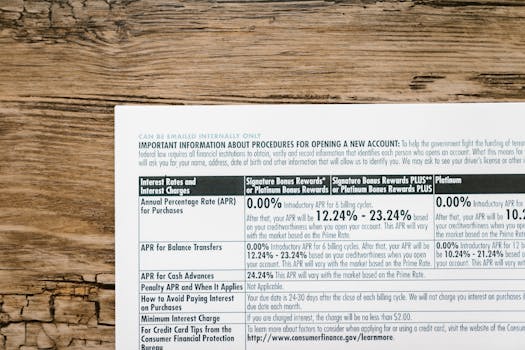
Feeling uncertain about why your loan costs change? Let’s unravel how interest rates affect loans and make sense of what impacts your wallet every month.
Interest rates shape nearly every major money move, from mortgages to savings accounts. They matter because even a small shift can mean hundreds of dollars gained or lost over time.
If you ever wondered what interest means for daily decisions, stay with us. Each section breaks down the real ways rates impact your plans and choices, step by step.
Timing Loan Decisions for Favorable Interest Rates
Choosing when to take out a loan can save or cost you money. When rates drop, borrowers usually pay less in interest over the loan’s life span.
To see how interest rates affect loans, check lender updates every month, especially for big loans, like mortgages or student debt, before you sign anything.
Comparing Fixed and Variable Rates in Real-Time
A borrower comparing a fixed rate hears, “Your payment stays the same for five years.” A variable rate? “This might adjust next April.”
Picking fixed means peace of mind but less flexibility. Variable means more risk—if rates surge, your balance goes up. You can revisit your plan whenever rates change.
Think of a fixed rate as a price locked at the grocery store, while a variable can go up or down each time you check out. Know which matches your comfort with change.
Planning Payments: Impact of Rate Fluctuations
Your monthly budget breathes easier with stable payments. With variable rates, though, your payment could suddenly leap, forcing quick spending changes.
If your loan is reset annually, set a calendar alert to review latest rates. Adjust your monthly expenses ahead of any expected payment increase.
Say your lender emails, “Your rate jumps by 0.5 percentage points next month.” Update your budget and practice trimming non-essentials to ease the transition.
| Loan Type | Typical Rate Type | Impact on Payment | What To Do Next |
|---|---|---|---|
| Fixed-Rate Mortgage | Fixed | Stays the same | Check if locking in early saves money |
| Adjustable-Rate Mortgage | Variable | Fluctuates often | Budget for possible increases |
| Personal Loan | Fixed/Variable | Varies by agreement | Read the contract closely |
| Auto Loan | Usually Fixed | Predictable payments | Shop around for the best rate |
| Credit Card | Variable | Can rise suddenly | Pay down your balance promptly |
Interest Rate Factors That Directly Impact You
Understanding what drives interest rates puts you in control. Rates rise and fall based on national policies, global events, and lender strategies, not just your credit score.
When the Federal Reserve changes its benchmark, banks quickly adjust their offers. Your loan’s cost might shift within weeks, so watch for economic news.
Tracking Key Economic Triggers
Job reports, inflation numbers, and Federal Reserve meetings all set interest rates in motion. Mark financial news days in your calendar for easier tracking.
Suppose the latest inflation report jumps. Lenders may increase rates within days. You then know to refinance earlier or adjust your borrowing.
- Save financial news alerts on your phone to check essential updates
- Ask your lender about direct notification options for major changes
- Review rates right before committing to any big financial contract
- Let close friends know about important changes—share actionable tips
- Use a spreadsheet to log rate changes for your personal reference
Respond quickly when changes occur, using your notes as a personalized guidance system before making big financial commitments.
Keeping Your Loan Options Flexible
High rate periods call for creative solutions. Some try refinancing, others accelerate payments. Knowing your choices helps reduce extra costs.
- Contact your lender: Ask about hardship options during severe rate hikes
- Research refinancing: Lowering your rate can ease long-term costs
- Shorten loan terms: Reducing repayment years shrinks interest charges
- Pay a lump sum: A big one-time payment may cut years off a loan
- Switch lenders strategically: Shopping for better rates can make a big difference
With these steps, you control your own timeline and responses, so interest rate changes become one piece of a manageable plan.
Practical Steps to Lower Your Personal Interest Costs
Taking action to reduce your interest burden saves more over the long run. Even small efforts, repeated monthly, produce measurable changes.
Begin by reviewing each debt’s interest rate. Be honest: Are any rates unusually high? If so, start with those using strategies that target how interest rates affect loans directly.
Requesting Lower Rates: Direct-Ask Scripts
“I’ve been a loyal customer for three years. Are there current promotions or reductions available?” Try this approach with your lender, speaking at the start or end of the month.
Remember, calm tone and positive language increase your chances. If a bank offers a lower rate, log the offer and confirm in writing before committing.
Even if you’re told, “We can’t change your rate now,” ask when a review is possible. Mark the date on your calendar, and follow up with that exact request.
Consolidating Debt for Clarity and Savings
Combining several loans into one streamlines payments and typically offers a new, often lower rate. It matters most for those juggling multiple credit cards or personal loans.
Contact a trusted financial institution, request a payoff quote, and ask what the new consolidated rate would be. Only proceed if the result cuts your interest costs overall.
If your budget feels stretched, a single payment plan simplifies finances and narrows your focus—leaving more breathing room for other priorities every month.
Evaluating the Cost of Borrowing: Breaking Down APRs
Knowing how interest rates affect loans means investigating annual percentage rates (APR). APR tells the real cost, fees included, and lets you compare options precisely before signing.
Use online calculators or lender quotes to translate different APRs into your total repayment amount, not just monthly payments. The lowest APR usually means the least paid overall.
APR Comparison and Real-World Scenarios
Imagine two loan offers—one at 5.9 percent APR, the other 7.2 percent. On a $10,000 loan, the difference over five years could be nearly $700 in pure interest.
Ask lenders, “What’s the APR for this amount and term?” and request a written breakdown. Review all fees, as a low interest rate isn’t always the full story.
Avoid fast decisions. Let each lender clarify how interest rates affect loans in both short and long terms, isolating APR changes, not just minimal payment shifts.
Negotiating for Better Financing Conditions
Say, “I’ve seen other lenders offering lower APR for borrowers with my credit profile. Can you match or beat that?” This phrase alone has led people to better offers instantly.
Bring tangible proof, like recent offers, and state your preferred terms clearly. If rebuffed, keep shopping; no need to settle for the first reply.
Remember, lenders want your business. Respectfully asking for improvements shows you’re informed, and sometimes the act of negotiating can trigger unexpected savings right away.
Adjusting Loan Strategies Based on Your Credit Profile
Using your credit score as leverage lets you influence how interest rates affect loans directly. The higher your score, the more bargaining power you hold.
Build your credit by on-time payments and reducing outstanding balances. Solid habits set you up for lower rates on all new loans moving forward.
Leveraging Score Improvements for Rate Reductions
Once your score rises, reach out: “My credit improved recently. Can we revisit my rate?” Many lenders will review and sometimes lower terms based on substantial changes.
Document improvements—download a recent report or print your lender notification. It plants confidence on both sides and strengthens your case in negotiations.
Set a recurring reminder every six months to check your score and schedule lender conversations, keeping rate opportunities top-of-mind and organized.
Understanding the Role of Cosigners and Collateral
Adding a cosigner with strong credit, or offering collateral, helps secure better rates. Both options tell lenders, “I’m less risky,” which positively impacts how interest rates affect loans.
If using a cosigner, ensure trust and clear terms—both parties remain equally accountable for payments. Collateral, like a car or savings account, adds another layer of security for the lender.
Keep records updated and review agreements annually, confirming all arrangements stay favorable as rates and your financial situation evolve.
Saving and Borrowing: Adapting as Rates Shift
Focus on maximizing returns during high rates and reducing borrowing costs when rates fall. Each environment requires a unique game plan—and a willingness to adapt habits quickly.
A rate hike makes savings accounts more powerful. If rates drop, prioritize paying off floating-rate balances to dodge unnecessary interest expenses as you pivot strategies.
Building a Rainy-Day Fund When Savings Rates Rise
Move spare funds into a high-yield account when possible. Watch your interest earnings grow—more money for emergencies or future opportunities just by shifting where your cash sits.
Some choose to automate transfers, setting up recurring payday deposits to new savings accounts. This consistency compounds gains and shields your budget from surprise shortfalls.
Track your progress monthly using online dashboards or budget apps to spot trends—nothing like seeing visible proof of compounding power at play as rates rise.
Reducing Loan Burdens in a Low-Rate Climate
If your balances allow, accelerate payments on variable loans during periods when rates are lowest. By cutting principal early, you reduce future interest charges automatically.
Keep an eye out for special refinancing deals during these times. Lenders want to attract new business, so they may offer discounted rates or bonus perks for a limited window.
Adapt your repayment calendar—aim to add an extra payment or two every low-rate year. These small moves shorten loan terms and minimize how interest rates affect loans you hold.
Taking Charge of Future Borrowing Decisions
Every financial choice you make can tip the balance on how interest rates affect loans, savings, and your total debt load. Reviewing new offers regularly protects your goals.
Build the habit of checking interest rates before committing. Make it a monthly routine, like reviewing subscriptions or planning big purchases, so no surprises catch you off guard.
- Revisit your key financial accounts on the first day of each month for new rates
- Compare at least two lenders before any major loan agreement
- Write down the top three rate changes that would impact your payment plans
- Discuss rate trends with a trusted friend or spouse before signing anything
- Use a reminder app to keep interest rate decisions organized and timely
Consistent attention helps keep all borrowing decisions well-informed and proactive, rather than reactive, as markets change, ensuring you always know how interest rates affect loans you consider.
Everyday Takeaways for Navigating Interest Rates
Learning how interest rates affect loans empowers smarter borrowing and flexible planning. Each section of this article offered a roadmap for turning complex ideas into concrete personal steps.
Staying alert to market shifts, adapting repayment tactics, and tracking your credit score puts control in your hands. This knowledge transforms every application, negotiation, or refinance.
Let clear strategies be your guide—so interest rates serve your budget, not the other way around. You’re now equipped to approach any loan, knowing exactly what to do next.