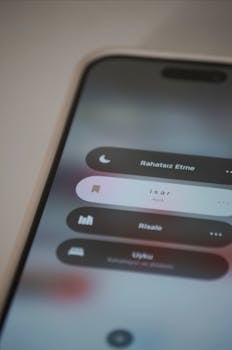
Pausing to check your phone during work feels harmless, but it’s easy to lose track of time. Small interruptions pile up, turning hours productive to aimless scrolling.
People want tools that truly help reduce digital distractions tools. Staying focused isn’t only about willpower—smart technology can support a distraction-minimal environment that works across home and office settings.
This guide explores realistic strategies and digital habits, plus step-by-step uses for reduce digital distractions tools, so you can reclaim attention without feeling overwhelmed or rigid.
Customizing Notifications to Reclaim Your Focus
Turning notifications into intentional signals gives you a quick productivity win with reduce digital distractions tools. You’ll filter the noise and regain control of your daily flow immediately.
Custom alerts set the tone. Instead of every ping demanding action, your focus remains anchored on priorities, helping you avoid app fatigue and wasted transitions.
Grouping Notifications for Less Temptation
Batching non-urgent alerts into set intervals can help—”I check social and news after lunch, not every five minutes.” You’ll reclaim headspace instantly using reduce digital distractions tools.
Choose apps that offer grouped notifications or set custom schedules. Red badges become signals for intentional pauses, not constant triggers for distraction.
Adjust your phone’s “Do Not Disturb” to allow urgent contacts but silence new messages. This balance lets you be reachable for what matters, not everything.
Turning Off Redundant Alerts to Sharpen Attention
If an app’s notifications never prompt immediate action, disable them. Reduce digital distractions tools put you back in charge of what crosses your attention hour by hour.
Calendar reminders are one exception: keep appointments and task deadlines, but silence likes, follows, or sales. This choice means you’ll see only what truly needs action.
When everything feels urgent, nothing stands out. Use built-in settings or focus modes to build a filter—a personal firewall—for your most valuable time.
| App Type | Default Setting | Customizable? | Takeaway |
|---|---|---|---|
| All incoming pings | Yes | Batch delivery times using reduce digital distractions tools for calm inbox management. | |
| Messaging | Instant notifications | Yes | Create group-specific rules, so work and personal chats don’t mix. |
| Productivity | Push tasks/reminders | Yes | Keep important reminders, silence less urgent app updates. |
| Social Media | Real-time feedback | Yes | Turn off auto-alerts; manually check updates in focused blocks. |
| News | Rolling headlines | Yes | Customize updates by topic, only receive what aligns with today’s focus. |
Setting Realistic Boundaries with Device Settings
Adjusting your device’s settings can instantly help you disconnect from unnecessary noise. Small tech tweaks create reliable personal boundaries for focus, making reduce digital distractions tools effective from day one.
Removing temptation isn’t about restriction—it’s allowing space for deep work, then refocusing energy at the right moment without constant reminders competing for your attention.
Scheduling ‘Focus Sessions’ on Your Devices
Using “Focus” or “Work” modes signals a shift—”It’s work time now, distractions off, get into project mode.” Your digital space mirrors your intention and routine.
Define clear time blocks: mute social media for an hour, allow project management notifications only. Reduce digital distractions tools reinforce these rules with just a tap.
- Activate “Focus Mode” or “Work Profile” on mobile devices for specific app lists, so personal and professional distractions remain separate and clearly defined.
- Disable app badges or banner notifications during set workflows using reduce digital distractions tools. This step keeps only must-see info front and center.
- Use timers for app access—”Thirty minutes of news, then automatic block.” You’ll break scrolling habits naturally without excessive restriction or guilt.
- Set screen downtime in evenings to recharge, using built-in settings. Less blue light and nonstop updates help restore your energy for a balanced life.
- Experiment with app limits to find your focus sweet spot. Adjust time caps and schedules based on your unique habits, not arbitrary advice or trends.
Update device rules gradually. This makes changes sustainable, proving reduce digital distractions tools foster habits that last long after novelty fades.
Creating Tech-Free Zones for Calm
Designate one or two tech-free spaces, like your bedroom or family room. This reshapes habits—when you set your phone on a shelf, it’s a strong visual cue to refocus.
Charge devices outside sleep areas. Morning alarms work on traditional clocks, while reduce digital distractions tools keep notifications silent until you’re ready.
- Keep work email off your personal phone to maintain a home-work boundary, signaling the day’s real end.
- Store mobile devices away from your main workspace to physically reduce distraction temptation.
- Set “no device” hours during meals or social time, creating a predictable, calm routine that lowers digital FOMO.
- Try using printed books or notebooks during personal learning moments. The analog format helps break hyper-alert scrolling cycles.
- Create recharge rituals: light a candle, stretch, or play music as a tech-off transition. This grounds you, not just your device settings.
Experiment steadily and check in with yourself—notice calm returning as each new reduce digital distractions tools change becomes part of daily life.
Streamlining Your Default Apps and Digital Spaces
Streamlining your default apps reduces time wasted jumping between platforms, creating one-click access for important tasks through reduce digital distractions tools and system-level habits.
Smart shortcuts and sensible defaults mean less searching, less app-hopping, and a clearer routine with fewer decision points each day.
Consolidating Platforms for Fewer Decisions
Pare down to one main calendar or notes platform. Instead of scheduling in three places, funnel all updates into a single source of truth using reduce digital distractions tools.
Organize your home screen with only essential icons shown. Hide or remove entertainment and shopping apps if they’re not for work or urgent use.
Automate logins and startup sequences. The less friction in opening focus-promoting apps, the more likely you’ll start with purpose and resist other temptations.
Building Visual Clarity in Digital Workspaces
Create desktop folders by project or urgency. Label digital files by action—”Reply Today” or “For Review”—and use reduce digital distractions tools to remind you only at specified times.
Set your web browser’s homepage to your priority work tab, not news or entertainment—so each session begins on-task.
Pin or bookmark only what you use daily. Archive outdated links and files to further reduce clutter and remove forgetting from the focus equation.
Blending Tech Solutions with Personal Boundaries for Lasting Results
Pairing reduce digital distractions tools with a personal boundary habit creates stronger, long-term change than apps alone. The goal is a system that works automatically, saving time and energy daily.
When you blend device rules with analog rituals, tech becomes a support for real routines instead of a source of willpower drain.
Pairing Rituals with Device Settings for Reliable Focus
End each workday by setting tomorrow’s “Focus” schedule. Physically tidy your workspace and turn on a task-list app while using reduce digital distractions tools for reminders.
Reserve social catch-up or inbox clearing for set moments. For example, “Email happens after lunch, not before”—tying digital habits to existing routines makes them stick.
Avoid all-or-nothing limits. Instead, schedule flexibility—one focused hour, then a ten-minute break, reinforced by automated app blocks or context cues you configure.
Checking in With Yourself for Ongoing Adjustment
Set a recurring reminder to review which reduce digital distractions tools settings help most. If you notice frequent resistance, it means something can be tweaked for greater comfort.
Ask yourself: did my main distractions drop this week? If not, shift one setting—shorter app sessions or less notification noise—and try again, tracking how you feel.
Revisit your digital boundary plans every few months. Seasons change, so should tech habits—update schedules, apps, and routines before friction grows.
Troubleshooting Common Roadblocks with Reduce Digital Distractions Tools
When willpower slips or tech settings fail, recognize this as normal—not a personal flaw. Use reduce digital distractions tools to build flexible backup plans and sidestep hidden traps.
Bring curiosity: “What distracted me today? Was it a notification loophole or a motivation slump?” List obstacles, then set a tool or boundary to target each one.
Handling Social Pressures and FOMO Triggers
If friends expect instant replies, send a quick update first—”I’m in focus mode, will get back at noon.” Social cue set, digital limit reinforced.
Mute or snooze group chats in non-urgent periods, using in-app settings or independent reduce digital distractions tools for more granular control.
If curiosity tempts you to break a block, keep a notepad handy to jot “look up later” tasks. This gently retrains your impulse muscle while still respecting natural curiosity.
Avoiding Productivity Shame and Tech Guilt
Expect slip-ups; productivity is a skill, not a perfection contest. Use supportive reminders from reduce digital distractions tools, not harsh warnings or all-day timers.
Celebrate consistency over rigidity. Notice if you’re doing better week-to-week, and let that be enough as digital boundaries become second nature.
If a tool starts causing anxiety or tension, swap it out—find one with a softer interface or less intrusive notifications that feel more like coaching than punishment.
Making Your Distraction Reduction Plan Sustainable
Keep one change at a time while reviewing outcomes. Extend each tweak as it fits, layering more sophisticated reduce digital distractions tools as habits grow comfortable and routine.
The goal isn’t rigid constraint—it’s using technology to support your real-life focus rhythms, even as days vary or new projects arrive.
Celebrating Progress and Supporting Your Focus
Check progress every Friday: “What did I focus on better? Where do distractions still win?” Update app settings and device boundaries, keeping what works and discarding what doesn’t.
Share your system with a friend or coworker. Describing your habits out loud cements change, plus creates a bit of friendly accountability to stick with the plan.
Try experimenting: Add new app features or adjust do-not-disturb rules every month. Stay curious and patient with tweaks, letting comfort and results guide further improvements.
Creating a Well-Balanced Relationship with Digital Tools
Reduce digital distractions tools are strongest when paired with intention. Small steps—like notification tuning and tech-free breaks—add up to greater focus, more meaningful downtime, and less stress.
Attentional boundaries shape each part of your workflow, not just the work hours. Blending physical cues, updated device settings, and sustainable tech upgrades builds your best, most productive routine.
Let progress be your guide. Aim for comfort and clarity, using reduce digital distractions tools as partners—not adversaries—in your quest for distraction-free work and genuine rest.