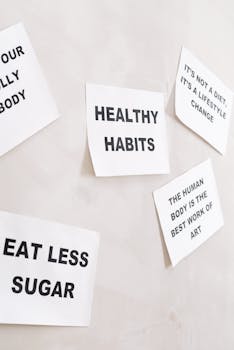
Sometimes, chasing self-improvement turns into a complicated puzzle. You want to develop better habits simply, but endless plans and checklists can leave you stuck before you even start.
Simple, sustainable routines anchor lasting change. The way you approach new habits matters, and cluttered strategies lead to unnecessary stress. Clear habits keep your focus sharp.
This guide highlights practical ways to develop better habits simply, focusing on easy steps and realistic adjustments that fit naturally into your day-to-day living.
Cut Distractions by Defining a Clear Habit Cue
Identifying a straightforward habit trigger keeps your focus sharp from the start. Each action should link to a specific cue, making the behavior easy to remember and repeat.
Many people struggle because they don’t tie their habits to recognizable moments or signals during their day. Pick a cue that’s obvious and consistent for the best results.
Using Environment as a Habit Cue
Visual reminders, such as a water bottle on your desk, prompt action when you see them. Place cues where you’ll pass by naturally to develop better habits simply and efficiently.
Imagine placing your workout shoes by the front door. Whenever you walk past, you’re nudged to move. This small step supports lasting habits without complex strategies.
Consistent environmental cues build routine. Over time, your response to the cue becomes automatic. Arrange your surroundings to make the right choice the easy choice.
Setting a Time-Based Trigger
Linking a habit to a specific time anchors the action. For example, “Right after lunch, I write in my gratitude journal.” The more exact, the easier it is to remember.
If you want to develop better habits simply, set phone reminders or alarms to prompt your behavior. Over time, your body and mind adapt to the routine.
Match the trigger to a dependable daily event, such as brushing your teeth or brewing coffee. The familiar timing reinforces your commitment and keeps things simple.
| Habit | Simple Cue | Why It Works | Next Step |
|---|---|---|---|
| Drink water | Glass by bed | Immediate visual reminder | Fill glass before sleep |
| Morning stretch | Yoga mat by door | Low setup friction | Unroll mat right away |
| Gratitude journaling | Journal on table | Physical prompt at meal | Write 2 sentences after lunch |
| Take vitamins | Bottle on coffee maker | Breakfast association | Take vitamins after brewing coffee |
| Reading | Book on couch | Easy pickup spot | Read one chapter before bed |
Start Small: Shrink Habits Down to Essentials
Focusing on miniature actions makes habit change sustainable. If you try to develop better habits simply, shrinking steps down works as a low-pressure entry to consistent growth.
Even the tiniest task, such as writing one sentence nightly, builds momentum. Mini habits foster resilience, preventing overwhelm and making the process enjoyable again.
Pare Down to One-Minute Efforts
Set a timer. Clean your workspace for one minute or write just one line of a journal entry. Finishing a microtask creates instant wins and lowers resistance.
Simple actions unlock progress. Developing better habits simply works when initial steps are so easy you can’t find an excuse to skip them. Start smaller than you think necessary.
- Stand up and stretch for thirty seconds to improve circulation—do this after sitting for an hour, and you’ll notice increased alertness throughout your day.
- Write just one positive thing about your day before sleep; it matters because small reflections gradually shape your overall mindset toward gratitude and presence.
- Tidy your immediate space for only sixty seconds. By executing a tiny cleaning task regularly, neatness soon becomes habitual without feeling like a chore.
- Read two pages from any book after lunch. A micro reading goal keeps progress steady, and it’s more achievable than finishing a full chapter in one sitting.
- Take three deep breaths each morning after turning off your alarm. This anchors calm and helps you develop better habits simply with almost no time investment.
Small wins compound. Your confidence will rise as you meet your reduced goals, nudging you naturally toward greater consistency and ambition over time.
Progressing Gradually With Small Wins
Increase your goal slightly after a week of consistency. For example, if you walk for one minute daily, add thirty seconds after seven days to develop better habits simply.
Small adjustments remove performance anxiety. Your daily win remains accessible while encouraging gradual improvement without pressure. The process feels smooth and satisfying.
- Expand the writing habit to two sentences per day after a week, deepening your routine at a sustainable pace while ensuring the habit sticks long-term.
- Stretch for ninety seconds instead of thirty to further improve flexibility—this scaling feels natural and builds on the habit without feeling forced.
- Increase your reading goal to three pages once consistent, so you keep learning while sustaining the simplicity that helped you succeed initially.
- Clean two surfaces instead of one when tidying up. By building on existing progress, you avoid backsliding and maintain forward motion with minimal stress.
- Add an extra deep breath until you reach five. Gradual increases reinforce your healthy habit without overwhelming your morning routine or undermining progress.
Incremental change makes the routine stick. When you develop better habits simply, improvement becomes natural and part of your identity.
Design Routines With Predictable Anchor Points
Linking new behaviors to established routines removes uncertainty. For example, perform your new habit immediately after daily activities, such as pouring coffee or walking the dog.
This anchor technique helps develop better habits simply by creating predictability. Daily patterns ensure the next step feels automatic and eliminates the hesitation that disrupts momentum.
Morning Anchors Make New Habits Automatic
Place your new habit right after a non-negotiable morning routine—like brushing your teeth or making your bed. This stacks behaviors and removes decision fatigue.
Lisa adds two minutes of stretching after she brushes her teeth every day. As she says, “Now my stretch is as regular as brushing—it’s on autopilot.” Try this yourself.
Bridging habits to reliable anchors like these means you’ll practice them even on lazy days. It lets you develop better habits simply with little extra planning or motivation.
Building Early Evening Routines
Anchoring new habits to evening rituals stabilizes your day. For example, keep your habit right after dinner or as you’re preparing to relax after work.
If you always watch one TV show after work, sip water or do a short calming stretch before starting the episode. Over time, the new routine feels second nature.
You’ll notice your habit “tags along” with the anchor. This sequence ensures you develop better habits simply and keeps your progress on track, even when tired or distracted.
Adjust Expectations: Focus on Progress, Not Perfection
Chasing flawless routines sets you up for frustration. Instead, monitor steady improvement and allow room for missed days or mistakes—it’s the only way to develop better habits simply.
Highlight small gains. Celebrate three days of consistency, or catching yourself slipping and getting back on track. Reward progress to make new habits stick effortlessly.
Reframe Self-Talk for Success
Replace critical thoughts with constructive language. For example, instead of “I failed,” say, “I did three days and then paused—I’ll start from there.” Self-kindness sustains habit growth.
Markita writes, “Was on track last week but missed two days—reset now.” Adjusting self-talk like this makes it easier to develop better habits simply without losing motivation.
Remind yourself that every attempt counts. Habits evolve; your effort matters more than the number of perfect streaks you achieve.
Measure Personal Metrics, Not Perfection
Track habits with basic notes instead of all-or-nothing checklists. Color one square per day in your calendar, or jot a happy face for every completed mini-task.
Your record will reflect effort, not relentless perfection. This approach to progress helps you develop better habits simply—each visible mark feels like a genuine win.
Comparing your current self to last week, not to someone else’s progress, creates reinforcing feedback that builds confidence and reduces pressure.
Simplify with Visual Reminders and Checklists
Using visible prompts transforms vague goals into daily actions. Well-placed reminders and short checklists make it easy to develop better habits simply through regular visual cues.
Each reminder brings your focus back, so you don’t have to keep habits in your head. Track tools help you leave autopilot and act with clear purpose.
Install Easy Visual Cues
Sticky notes on a mirror or computer increase follow-through. A planner open on your desk works as a subtle nudge. Visual cues become helpful when they’re consistent and hard to miss.
Raymond says, “I keep my gratitude notebook beside my toothbrush. I can’t ignore it—I see it every morning.” Try placing physical cues in high-traffic zones for easy access.
Habit cues can be handled objects, phone wallpapers, or bright reminders. The key is that each prompt is visible at precisely the right moment, making it easier to develop better habits simply.
Use Simple Checklists for Clarity
A two- or three-step checklist guarantees you remember the essentials. For instance, “Drink water, stretch, tidy desk” turns into quick morning wins every day.
Keep your checklist short. Place it where you’ll see it the moment you wake up or start work. Tangible tracking builds momentum, not pressure.
Once a habit becomes automatic, you can reduce or retire your checklist and redirect it to support the next behavior you want to anchor.
Replace Bad Habits by Substituting Simple Alternatives
Focusing on what you’ll do instead of what you’ll stop creates a positive action plan. Swapping out a behavior helps you develop better habits simply without mental friction.
Choose a replacement that’s as easy and rewarding as the habit you want to change. This simple substitution approach works when executed with intent and clarity.
Quick Replacements for Common Challenges
If you bite nails when anxious, use a stress ball or finger massage instead. The physical substitute is accessible and disrupts automatic behavior in the same situation.
Swapping soda for sparkling water or chewing gum provides a similar sensory experience. These micro-alternatives help transition away from less-desirable routines and develop better habits simply.
Each time you’re triggered by your old cue, try the replacement immediately. Consistency cements the new habit into your daily routine.
Celebrating the Swap to Reinforce Change
After each successful swap, acknowledge the action. This could be an internal “nice work” or a self-administered reward like a tally mark or a positive affirmation.
Quick, small celebrations keep you motivated. Over time, the replacement habit feels satisfying in its own right—it’s the fastest way to develop better habits simply and permanently.
Share your swap wins with a friend or write them in a journal. Tracking replacement success proves change is possible and keeps improvements fun and visible.
Move Forward with Sustainable Simplicity
Developing better habits simply means making changes that survive real life. It’s built from clear cues, anchored routines, gentle progress, and visible reminders you can’t ignore.
Refining your habits doesn’t call for big leaps. Each micro step adds up, and swapping out bad routines for good ones maintains growth without constant effort.
Try one new tip from this guide this week. Starting today, practice consistent, stress-free progress and notice how small adjustments can help you develop better habits simply at last.